การลอยตัวในน้ำเพื่อเอาชีวิตรอดในเด็กและเยาวชน
คำสำคัญ:
การเอาชีวิตรอด, การเอาชีวิตรอด, เด็กและเยาวชนบทคัดย่อ
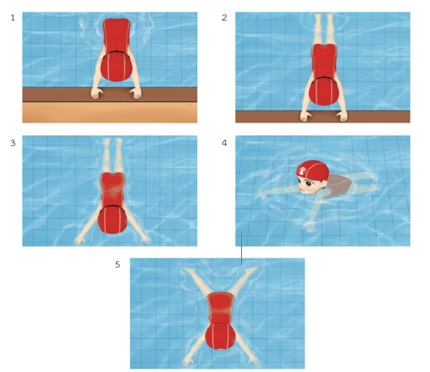
บทความวิชาการนี้มีวัตถุประสงค์เพื่อนำเสนอการลอยตัวในน้ำเพื่อเอาชีวิตรอดสำหรับเด็กและเยาวชนที่ยังว่ายน้ำ ไม่เป็นการเรียนรู้การลอยตัวในน้ำเป็นหัวใจสำคัญของการป้องกันการจมน้ำ การพัฒนาทักษะการลอยตัวในน้ำจำเป็นต้องได้รับการสนับสนุนทางวิทยาศาสตร์เพื่อเข้าใจกลไกที่เกี่ยวข้องกับร่างกายในการลอยตัวในน้ำ ปัจจัยที่มีผลต่อการลอยตัว 1) ความหนาแน่นของกระดูก 2) จำนวนไขมันในกล้ามเนื้อ 3) ความจุปอด การลอยตัวในน้ำเป็นทักษะพื้นฐานสำคัญในการเอาชีวิตรอดจากการจมน้ำและป้องกันอันตรายจากน้ำโดยเฉพาะอย่างยิ่งสำหรับผู้ที่เริ่มเรียนว่ายน้ำ เพราะช่วยให้รอดพ้นจากอันตรายโดยไม่ต้องใช้แรงมาก ซึ่งส่งผลให้ผู้เรียนสามารถพัฒนาความสามารถพื้นฐานได้อย่างรวดเร็ว
ทักษะการลอยตัวในน้ำ ได้แก่ 1) การลอยตัวท่าลูกหมาตกน้ำ 2) ท่าปลาดาวแบบคว่ำ 3) ท่าแมงกระพรุน 4) ท่าผีจีน 5) ท่าปลาเข็ม 6) ท่าแม่ชีลอยน้ำ ควรนำทักษะการลอยตัวในน้ำเพื่อเอาชีวิตรอดไปใช้ในการพัฒนาการจัดการเรียนการสอน และเป็นข้อมูลสำหรับอาจารย์ ครูผู้สอนและผู้ฝึกสอนว่ายน้ำเพื่อเอาชีวิตรอดเพื่อช่วยเหลือเด็กและเยาวชนเกี่ยวกับการเรียนการสอนการว่ายน้ำเพื่อเอาชีวิตรอดและการเอาชีวิตรอดจากสถานการณ์ที่ไม่ปลอดภัยในน้ำ
เอกสารอ้างอิง
กลุ่มป้องกันการจมน้ำ กองป้องกันการบาดเจ็บ กรมควบคุมโรค. (2566). สถานการณ์การจมน้ำในเด็กอายุต่ำ กว่า 15 ปี ในปี พ.ศ. 2555-2564. รายงานการเฝ้าระวังทางระบาดวิทยาประจำสัปดาห์, 54(10), น.143-147.
กองป้องกันการบาดเจ็บ กรมควบคุมโรค. (2566). แนวทางประเมินผู้ก่อการดี การดำเนินงานป้องกันการจมน้ำ (MERIT MAKER Plus) ปี 2566 - ฉบับแก้ไข หนังสืออิเล็กทรอนิกส์ (e-book).
กองป้องกันการบาดเจ็บ กรมควบคุมโรค กระทรวงสาธารณสุข. (2566). หลักสูตรป้องกันการจมน้ำสำหรับประชาชนทั่วไป (Drowning Prevention Course for Public). นนทบุรี: กองป้องกันการบาดเจ็บ กรมควบคุมโรค กระทรวงสาธารณสุข.
สำนักงานโรคไม่ติดต่อ กรมควบคุมโรค กระทรวงสาธารณสุข. (2557). หลักสูตรว่ายน้ำเพื่อเอาชีวิตรอดและคู่มือการสอน (Survival Swimming Curriculum and Handbook) พิมพ์ครั้งที่ 5. นนทบุรี : สำนักงานโรคไม่ติดต่อ กรมควบคุมโรค กระทรวงสาธารณสุข.
อดิศักดิ์ สุวรรณประกร. (2550). หลักสูตรว่ายน้ำเพื่อเอาชีวิตรอด. กรุงเทพมหานคร : สมาคมเพื่อช่วยชีวิตทางน้ำ.
องค์การช่วยเหลือเด็ก. (2562). คู่มือการจัดการเรียนรู้เรื่องการว่ายน้ำเพื่อเอาชีวิตรอด (ฉบับสมบูรณ์). กรุงเทพมหานคร : องค์การช่วยเหลือเด็ก Save the Children.
Andrews, A. (2019). How to help people float. International Journal of Aquatic Research and Education, 11(4), p.1.
Barwood, M. J., Burrows, H., Cessford, J., and Goodall, S. (2016). “Float first and kick for your life”: psychophysiological basis for safety behavior on accidental shortterm cold water immersion. Physiol. Behav. 154, pp.83–89. doi: 10.1016/j.physbeh.2015.11.017
Byard, R. W. (2017). Body mass index and saltwater drowning. The American Journal of Forensic Medicine and Pathology, 38(4), pp.304-305.
Cumming, I. (2017). The health & wellbeing benefits of swimming. Swim England’s Swimming and Health Commission, p.46.
Davis, C. A., Schmidt, A. C., Sempsrott, J. R., Hawkins, S. C., Arastu, A. S., Giesbrecht, G. G., & Cushing, T. A. (2024). Wilderness Medical Society clinical practice guidelines for the treatment and prevention of drowning: 2024 update. Wilderness & Environmental Medicine, 35(1_suppl), pp.94S-111S.
Datta, A. K., and Tipton, M. J. (2006). Respiratory responses to cold water immersion: neural pathways, interactions, and clinical consequences awake and asleep. J. Appl. Physiol. 100, pp.2057–2064. doi: 10.1152/japplphysiol.01201.2005
Di Prampero, P. E. (1986). The energy cost of human locomotion on land and in water. Int J Sports medicine, 7, pp.55-72.
Duffin, J., Miller, R., Romet, T.T., Chant, R.W., Ackles, K., & Goode, R.C. (1975). Sudden cold water immersion. Respiratory Physiology, 23(3), pp.301-310.
Fritzvold, R. (1986). The comparative energy costs of treading water and survival floating. Undergraduate thesis: Norwegian School of Sport Science, Oslo, Norway.
Gagnon, D.D., Pretorius, T., McDonald, G., Kenny, G.P., & Giesbrecht, G.G. (2013). Cardiovascular and ventilatory responses to dorsal, facial, and whole-head water immersion in eupnea. Aviation, Space, Environmental Medicine, 84(6), pp.573-783.
Graham, R.D. (1977). Comparative energy expenditure of drown proofing and treading water. MSc. Thesis, Eugene, OR: University of Oregon.
Hayward, J.S., Collis, M., & Eckerson, J.D. (1973). Thermographic evaluation of relative heat loss areas of man during cold water immersion. Aerospace Medicine, 44(7), pp.708-711.
Hayward, J.S., Eckerson, J.D., & Collis, M.L. (1975). Effects of behavioral variables on cooling rate of man in cold water. Journal of Applied Physiology, 38(6), pp.1073-1077.
Holmer, I. (1992). Swimming physiology. Annals of physiological anthropology, 11, pp.269-276.
Junge, M., Blixt, T., & Stallman, R. (2010). The construct validity of a traditional 25m test of swimming competence. Proceedings of the XI Int. Symposium for Biomechanics and Medicine in Swimming, 16-19th June, Norwegian School of Sports Science, Oslo. pp.331-332.
Kjendlie, P. L., Pedersen, T., Thoresen, T., Setlo, T., Moran, K., & Stallman, R. K. (2013). Can You Swim in Waves? Children's Swimming, Floating, and Entry Skills in Calm and Simulated Unsteady Water Conditions. International Journal of Aquatic Research & Education, 7(4), pp.301-313.
Moran, K., Stallman,R.K., Kjendlie, P-L., Dahl, D., Blitvich, J.D., Petrass, L.A., McElroy, G.K., Goya, T., Teramoto, K., Matsui, A., Shimongata, S. (2012). Can you swim? Real and perceived water competency among young adults. International Journal of Aquatic Research and Education, 6(2), pp.122-135.
Moran, K. (2015). Can you swim in clothes? Reflections on the perception and reality of the effect of clothing on water competency. International Journal of Aquatic Research and Education, 9(2), pp.116-135. Available at: http://dx.doi.org/10.1123/ijare.2015-0011
Moran, K. (2019). Can you float? Part I-perceptions and practice of nsupported flotation competency among young adults. International Journal of Aquatic Research and Education, 10(4), p.1.
Pendergast, D. R., Moon, R. E., Krasney, J. J., Held, H. E., & Zamparo, P. (2015). Human physiology in an aquatic environment. Compr Physiol, 5(4), pp.1705-1750.
Stallman, R.K., Junge M, & Blixt T. (2008). The teaching of swimming based on a model derived from the causes of drowning. International Journal of Aquatic Research and Education, 2(4), pp.372-382.
Stallman, R. K., Moran Dr, K., Quan, L., & Langendorfer, S. (2017). From swimming skill to water competence: Towards a more inclusive drowning prevention future. International Journal of Aquatic Research and Education, 10(2), p1.
Suryatna & Suherman. (2001). Competitive Swimming (alternative to junior high school). Jakarta: Depdiknas.
Wade, C.E., & Veghte, J.H. (1977). Thermographic evaluation of the relative heat loss by area in man after swimming. Aviation Space Environmental Medicine, 48(1), pp.16-18.
Zamparo, P., Capelli, C. & Pendergast, D. (2011). Energetics of swimming: a historical perspective. Eurorean journal of applied physiology, 111, pp.367-378.
ดาวน์โหลด
เผยแพร่แล้ว
รูปแบบการอ้างอิง
ฉบับ
ประเภทบทความ
สัญญาอนุญาต
ลิขสิทธิ์ (c) 2025 วารสารวิจัย วิทยาศาสตร์และเทคโนโลยี มหาวิทยาลัยราชภัฏนครราชสีมา

อนุญาตภายใต้เงื่อนไข Creative Commons Attribution-NonCommercial-NoDerivatives 4.0 International License.
เนื้อหาและข้อมูลในบทความที่ลงตีพิมพ์ในวารสารวิจัย วิทยาศาสตร์และเทคโนโลยี มหาวิทยาลัยราชภัฏนครราชสีมา ถือเป็นข้อคิดเห็นและความรับผิดชอบของผู้เขียนบทความโดยตรงซึ่งกองบรรณาธิการวารสาร ไม่จำเป็นต้องเห็นด้วย หรือร่วมรับผิดชอบใด ๆ
บทความ ข้อมูล เนื้อหา รูปภาพ ฯลฯ ที่ได้รับการตีพิมพ์ในวารสารวิจัย วิทยาศาสตร์และเทคโนโลยี มหาวิทยาลัยราชภัฏนครราชสีมา ถือเป็นลิขสิทธิ์ของวารสารวิจัย วิทยาศาสตร์และเทคโนโลยี มหาวิทยาลัยราชภัฏนครราชสีมา หากบุคคลหรือหน่วยงานใดต้องการนำทั้งหมดหรือส่วนหนึ่งส่วนใดไปเผยแพร่ต่อหรือเพื่อกระทำการใด ๆ จะต้องได้รับอนุญาตเป็นลายลักอักษรจากวารสารวิจัย วิทยาศาสตร์และเทคโนโลยี มหาวิทยาลัยราชภัฏนครราชสีมา ก่อนเท่านั้น