การพัฒนาเกม 2 มิติ: การผจญภัยของผู้กล้า
คำสำคัญ:
เกมคอมพิวเตอร์, ยูนิตี, เกมผจญภัยสวมบทบาทบทคัดย่อ
การวิจัยครั้งนี้มีวัตถุประสงค์เพื่อ 1) พัฒนาเกม 2 มิติ: การผจญภัยของผู้กล้า 2) เพื่อประเมินผลความพึงพอใจเกม 2 มิติ: การผจญภัยของผู้กล้า โดยกำหนดขั้นตอนการดำเนินงานออกเป็น 6 ขั้นตอน ได้แก่ 1) การวางแผน 2) การเขียนเอกสารออกแบบเกม 3) การเข้าสู่โปรแกรม 4) การสร้างวัตถุในเกม 5) การเตรียมความพร้อมเกม และ 6) การทดสอบเกม โดยใช้เครื่องมือในการวิจัย ได้แก่ Unity, Visual Studio Code, Clip Studio Paint และแบบประเมินความพึงพอใจเกม 2 มิติ: การผจญภัยของผู้กล้า แบ่งเป็น 7 หัวข้อ ได้แก่ ความตั้งใจ ความท้าทาย ทักษะผู้เล่น การควบคุม เป้าหมายของเกม คำแนะนำ และความตื่นเต้น การวิเคราะห์ผลใช้ค่าทางสถิติ ได้แก่ ค่าเฉลี่ย และค่าส่วนเบี่ยงเบนมาตรฐาน โดยใช้เกณฑ์การแปลผล 5 ระดับ คือ น้อยที่สุด น้อย ปานกลาง มาก และมากที่สุด
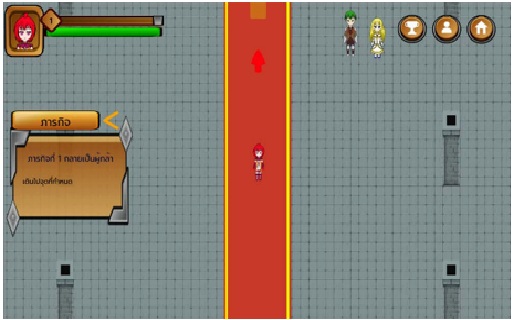
ผลการวิจัยพบว่า 1) การพัฒนาเกม 2 มิติ: การผจญภัยของผู้กล้า ประเภทเกมผจญภัยสวมบทบาท (Adventure RPG) โดยผู้เล่นสวมบทบาทเป็นอัศวินผู้กล้ามีดาบเป็นอาวุธต่อสู้กับเหล่าศัตรูในดินแดนโลกแฟนตาซี ได้แก่ สไลม์ หมาป่า โกเลม ปีศาจ และจอมมาร เพื่อพัฒนาทักษะค่าประสบการณ์ผ่านภารกิจดำเนินเรื่องตั้งแต่เริ่มต้นจนจบเกม การเดินทางผจญภัยในดินแดนทั้ง 5 แผนที่ ประกอบด้วย โลก พระราชวัง ดันเจี้ยนโกเลม เมืองปีศาจ และปราสาทจอมมาร ผู้เล่นสามารถควบคุมตัวละครเคลื่อนที่ โจมตี พิชิต 11 ภารกิจ ใช้งาน 3 สกิล ซื้ออาร์ติแฟกต์ 3 ระดับ และพูดคุยกับตัวละครเสริม 4 ตัวละคร 2) ผลการประเมินความพึงพอใจเกม 2 มิติ: การผจญภัยของผู้กล้า จากกลุ่มเป้าหมาย จำนวน 30 คน ได้แก่ ค่าเฉลี่ยรวมทั้ง 7 หัวข้อ มีค่า 4.25 อยู่ในระดับมาก และค่าส่วนเบี่ยงเบนมาตรฐาน มีค่า 0.73
เอกสารอ้างอิง
กันต์กฤช พรหมมาโนช และสมชาย นำประเสริฐชัย. (2568). การออกแบบและพัฒนาเกมผจญภัยแก้ปริศนา 2 มิติ.
วารสารงานวิจัยและพัฒนาเชิงประยุกต์โดยสมาคม ECTI, 5(3), น. 1-11. https://ph02.tci-thaijo.org/index.php/ectiard/article/view/258195/173144.
กิตติ์ธเนศ เพชรไวกูณฐ์. (2558). คำจำกัดความ และทฤษฎี. ใน จิระ จริงจิตร (บ.ก.), ออกแบบเกมให้โดนใจ. (น. 24-42). กรุงเทพฯ: คอร์ฟังก์ชั่น.
จรรยา เหตะโยธิน. (2564). แนวทางการออกแบบตัวละคร กรณีศึกษา ‘เดอะ คาแรคเตอร์ ดีไซน์ ชาเลนจ์’. วารสารวิชาการคณะสถาปัตยกรรมศาสตร์ สจล, 32(1), น. 1-15. https://so04.tci-thaijo.org/index.php/archkmitl/article/view/248380/171396.
ดนัย ม่วงแก้ว. (2552). หลักการพื้นฐานสำหรับการออกแบบ Character. ใน ปิยะบุตร สุทธิดารา (บ.ก.), Flash Cartoon Animation. (น. 63-64). นนทบุรี: ไอดี ซี อินโฟ ดิสทริบิวเตอร์ เซ็นเตอร์.
บุญชม ศรีสะอาด. (2556). การวิจัยเบื้องต้น (พิมพ์ครั้งที่ 9). กรุงเทพฯ: สุวีริยาสาส์น.
พงษ์พิพัฒน์ สายทอง, วีรภัทร จันทรจตุรภัทร และศิวดล ภาภิรมย์. (2564). การออกแบบเกมดิจิทัล. วารสารวิชาการวิทยาลัยสันตพล, 7(2), น. 217–228. https://so05.tci-thaijo.org/index.php/scaj/article/view/249082/170825.
พิชชากร โอวาทสาธิต. (2564). ปัจจัยการเติบโตของอุตสาหกรรมเกมในระดับประเทศและระดับโลก. สำนักงานส่งเสริมเศรษฐกิจดิจิทัล. https://www.depa.or.th/en/article-view/growth-factor-gaming-industry.
วาริธร ศิริสัตยะวงศ์ และอนันตพร ลาภสักการ. (2568). แนวโน้มธุรกิจเกมออนไลน์. ศูนย์วิจัยกสิกรไทย. https://media.settrade.com/settrade/Documents/2025/Mar/20250401-K-Research-Online-game.pdf
Devang Jagdale. (2021). Finite state machine in game development. International Journal of Advanced Research in Science, Communication and Technology (IJARSCT), 10(1), pp. 384–390. https://doi.org/10.48175/IJARSCT-2062.
Sweetser, P & Wyeth, P. (2005). GameFlow: A model for evaluating player enjoyment in games. Computers in Entertainment, 3(3), p. 3. https://doi.org/10.1145/1077246.1077253.
ดาวน์โหลด
เผยแพร่แล้ว
รูปแบบการอ้างอิง
ฉบับ
ประเภทบทความ
สัญญาอนุญาต
ลิขสิทธิ์ (c) 2026 NRRU Sciencetech Journal

อนุญาตภายใต้เงื่อนไข Creative Commons Attribution-NonCommercial-NoDerivatives 4.0 International License.
เนื้อหาและข้อมูลในบทความที่ลงตีพิมพ์ในวารสารวิจัย วิทยาศาสตร์และเทคโนโลยี มหาวิทยาลัยราชภัฏนครราชสีมา ถือเป็นข้อคิดเห็นและความรับผิดชอบของผู้เขียนบทความโดยตรงซึ่งกองบรรณาธิการวารสาร ไม่จำเป็นต้องเห็นด้วย หรือร่วมรับผิดชอบใด ๆ
บทความ ข้อมูล เนื้อหา รูปภาพ ฯลฯ ที่ได้รับการตีพิมพ์ในวารสารวิจัย วิทยาศาสตร์และเทคโนโลยี มหาวิทยาลัยราชภัฏนครราชสีมา ถือเป็นลิขสิทธิ์ของวารสารวิจัย วิทยาศาสตร์และเทคโนโลยี มหาวิทยาลัยราชภัฏนครราชสีมา หากบุคคลหรือหน่วยงานใดต้องการนำทั้งหมดหรือส่วนหนึ่งส่วนใดไปเผยแพร่ต่อหรือเพื่อกระทำการใด ๆ จะต้องได้รับอนุญาตเป็นลายลักอักษรจากวารสารวิจัย วิทยาศาสตร์และเทคโนโลยี มหาวิทยาลัยราชภัฏนครราชสีมา ก่อนเท่านั้น