
การใช้ยาในผู้สูงอายุกลุ่มชาติพันธุ์ อำเภอเสริมงาม จังหวัดลำปาง
Article Sidebar
Main Article Content
บทคัดย่อ
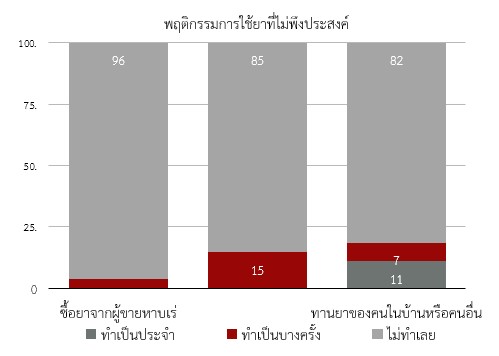
การวิจัยนี้เป็นเชิงสำรวจภาคตัดขวาง (Cross-sectional survey research) เพื่อศึกษาพฤติกรรมการใช้ยาในผู้สูงอายุกลุ่มชาติพันธุ์ (กะเหรี่ยง) และศึกษาปัจจัยที่เกี่ยวข้องกับพฤติกรรมการใช้ยาในผู้สูงอายุกลุ่มชาติพันธุ์ในพื้นที่อำเภอเสริมงาม จังหวัดลำปาง จำนวน 40 คน โดยวิธีการสุ่มแบบเฉพาะเจาะจง (Purposive sampling) เครื่องมือในการวิจัย ได้แก่ แบบสอบถามและการสัมภาษณ์ ผลการวิจัย พบว่า ผู้สูงอายุกลุ่มชาติพันธุ์ส่วนใหญ่เป็นเพศหญิง ร้อยละ 74.1 มีช่วงอายุระหว่าง 60 – 70 ปี ร้อยละ 92.6 ผู้สูงอายุส่วนใหญ่ไม่ได้รับการศึกษา ร้อยละ 77.8 จึงไม่สามารถพูดอ่าน เขียนภาษาไทยได้ และส่วนใหญ่มีโรคประจำตัว ร้อยละ 70.4 สัดส่วนของผู้สูงอายุที่มีผู้ดูแลและไม่มีผู้ดูแลเกี่ยวกับการใช้ยาที่ถูกต้องไม่แตกต่างกัน โดยผู้ดูแลเกี่ยวกับใช้ยาของผู้สูงอายุส่วนใหญ่ คือ บุตรหรือหลาน มีสัดส่วนใกล้เคียงกับผู้สูงอายุที่ไม่มีบุคคลหรือสิ่งที่คอยช่วยสนับสนุนการใช้ยาที่ถูกต้อง สาเหตุจากการใช้ยาของผู้สูงอายุส่วนใหญ่เกิดจากคำสั่งของแพทย์ ร้อยละ 77.8 ประเภทของยาที่ใช้เป็นประจำของผู้สูงอายุส่วนใหญ่เกี่ยวกับการรักษาโรคประจำตัวของตนเอง ซึ่งเป็นโรคเรื้อรัง ได้แก่ ยาไทรอยด์ ยาเบาหวาน ยาความดัน ยาหอบหืด เป็นต้น ร้อยละ 66.7 และพบว่ามีการใช้ยาแก้ปวดและยาต้านอักเสบชนิดไม่ใช่สเตียรอยด์เป็นประจำ ถึงร้อยละ 25.9 ซึ่งการรับประทานยาแก้ปวด เช่น พาราเซตามอน ยาลดอาการปวดเมื่อย แก้อักเสบ เช่น ไอบูโพรเฟน ไดโคลฟีแนค ผู้สูงอายุส่วนใหญ่รับประทานหลังอาหารทันทีเป็นบางครั้ง ร้อยละ 66.7 และพบพฤติกรรมการใช้ยาที่ไม่เหมาะสมอื่นๆ เช่น การไม่ตรวจสอบการหมดอายุของยา การเพิ่มปริมาณเม็ดยาเองตามความต้องการ เลือกซื้อยาจากช่องทางอื่นที่ไม่ถูกต้อง การรับประทานยาของคนในบ้านเดียวกันหรือบุคคลอื่น การเก็บรักษายา การลืมกินยาและเพิ่มจำนวนเป็นยาในมื้อถัดไป ผลการศึกษาความสัมพันธ์ระหว่างปัจจัยต่าง ๆ กับพฤติกรรมการใช้ยาในผู้สูงอายุกลุ่มชาติพันธุ์ พบว่า ปัจจัยด้านการอยู่อาศัยมีความสัมพันธ์ทางบวกกับระดับพฤติกรรมการใช้ยาในผู้สูงอายุกลุ่มชาติพันธุ์อย่างมีนัยสำคัญทางสถิติที่ระดับ 0.05 (r= 0.413*) ข้อเสนอแนะจากการวิจัย ควรจัดให้กิจกรรมให้ความรู้เกี่ยวกับการใช้ยาแก่ผู้สูงอายุกลุ่มชาติพันธุ์ร่วมผู้ดูแล โรงพยาบาลส่งเสริมสุขภาพตำบลเตรียมจัดทำคู่มือการใช้ยาที่เป็นภาษาท้องถิ่นและควรมีการติดตามการใช้ยาในผู้สูงอายุ
Article Details
เนื้อหาและข้อมูลในบทความที่ลงตีพิมพ์ในวารสารวารสารวิทยาศาสตร์และเทคโนโลยีถือเป็นข้อคิดเห็นและความรับผิดชอบของผู้เขียนบทความโดยตรงซึ่งกองบรรณาธิการวารสาร ไม่จำเป็นต้องเห็นด้วย หรือร่วมรับผิดชอบใด ๆ
บทความ ข้อมูล เนื้อหา รูปภาพ ฯลฯ ที่ได้รับการตีพิมพ์ในวารสารวารสารวิทยาศาสตร์และเทคโนโลยีถือเป็นลิขสิทธิ์ของวารสารวารสารวิทยาศาสตร์และเทคโนโลยีหากบุคคลหรือหน่วยงานใดต้องการนำทั้งหมดหรือส่วนหนึ่งส่วนใดไปเผยแพร่ต่อหรือเพื่อกระทำการใด ๆ จะต้องได้รับอนุญาตเป็นลายลักษณ์อักษรจากวารสารวารสารวิทยาศาสตร์และเทคโนโลยี ก่อนเท่านั้น
เอกสารอ้างอิง
เกษก่อง สีหะวงษ์ และพวงทิพย์ ชัยพิบาลสฤษดิ์. (2539). ความสัมพันธ์ระหว่างปัจจัยส่วนบุคคล การรับรู้ภาวะสุขภาพและความรู้เกี่ยวกับการใช้ยากับพฤติกรรมการใช้ยาของผู้สูงอายุ แขวงรองเมือง เขตปทุมวัน กรุงเทพมหานคร. วิทยานิพนธ์. กรุงเทพฯ : จุฬาลงกรณ์มหาวิทยาลัย.
ขวัญจิต ด่านวิไล และ อรวดี เพ็งประสพ. (2561). “การประยุกต์ใช้เกณฑ์ STOPP/START สำหรับตรวจคัดกรองการใช้ยาที่ไม่เหมาะสมในผู้สูงอายุที่มีโรคเรื้อรัง,” ศรีนครินทร์เวชสาร Srinagarind Medical Journal. Faculty of Medicine, Khon Kaen University.
จิตชนก ลี้ทวีสุข และคณะ. (2556). พฤติกรรมการใช้ยาของผู้ป่วยสูงอายุโรคเรื้อรัง ในชุมชนเชียงทอง ตำบลระแหง อำเภอเมือง จังหวัดตาก. นิพนธ์ต้นฉบับ. พิษณุโลก : มหาวิทยาลัยนเรศวร.
ชื่นจิตร กองแก้ว อุไรวรรณ ชัยชนะวิโรจน์ และชไมพร กาญจนกิจสกุล. (2557). การใช้ยาในผู้สูงอายุไทยเขตภาคเหนือตอนล่างประเทศไทย. รายงานวิจัยฉบับสมบูรณ์. มูลนิธิสถาบันและพัฒนาผู้สูงอายุไทย สถาบันวิจัยระบบสาธารณสุข และ สำนักงานคณะกรรมการวิจัยแห่งชาติ.
ณัฐวรรณ ชัยมีเขียว. (2560). ปัจจัยที่มีความสัมพันธ์กับการจัดการยาด้วยตนเองของผู้สูงอายุที่มีโรคเรื้อรังหลายโรคในชุมชน. น.223-232. ในงานประชุมวิชาการ “ราชธานีวิชาการ ครั้งที่ 2 การวิจัย 4.0 เพื่อพัฒนาประเทศสู่ความมั่นคง มั่งคั่ง และยั่งยืน”.
ปยะวัน วงษบุญหนัก ปวีณา ว่องตระกูล หรรษา มหามงคล และวรัญญา เนียมขำ. (2559). “การสำรวจปัญหาและพฤติกรรมการใช้ยาผลิตภัณฑ์เสริมอาหารและสมุนไพรของผู้สูงอายุ กรณีศึกษาชุมชนศีรณะจรเข้น้อย จังหวัดสมุทรปราการ,” วารสาร มฉก. วิชาการ. 20 : 97-108.
พุธเมษา หมื่นคำแสน. (2542). ความสามารถในการดูแลตนเองและภาวะสุขภาพของผู้สูงอายุชาวกะเหรี่ยง. วิทยานิพนธ์มหาบัณฑิต. เชียงใหม่ : มหาวิทยาลัยเชียงใหม่.
วาสนา นัยพัฒน์. (2553). “ปัญหาสุขภาพ ปัญหาจากการใช้ยา และพฤติกรรมการใช้ยาของผู้สูงอายุในชุมชนบ้านพักราชการโรงพยาบาลพระมงกุฏเกล้า,” การพยาบาลและการศึกษา. 3 : 2-14.
วิไล ตาปะสี ประไพวรรณ ด่านประดิษฐ์ และสีนวล รัตนวิจิตร. (2560). “รูปแบบการจัดบริการดูแลสุขภาพผู้สูงอายุโดยการมีส่วนร่วมของชุมชน ตำบลวังตะกู จังหวัดนครปฐม,” วารสารเกื้อการุณย์. 24 : 42- 54.
สุมาลี วังธนากร ชุติมา ผาติดำรงกุล และปราณี คำจันทร์. (2551). “ปัจจัยที่มีผลต่อพฤติกรรมการรับประทานยาในผู้ป่วยความดันโลหิตสูง,” สงขลานครินทร์เวชสาร. 26 : 539-547.
อุไรวรรณ ชัยชนะวิโรจน์ และนิรนาท วิทยโชคกิติคุณ. (2557). “พฤติกรรมการใช้ยาในผู้สูงอายุไทย,” วารสารการพยาบาลและสุขภาพ. 9 : 32-46.
Elliott, R.A. (2006). Problems with medication use in the elderly: “An Australian perspective,” Journal of Pharmacy Practice and Research. 36 : 58 - 66.
